Have you ever stopped to wonder about the sheer wizardry behind your favorite animated shows? It’s more than just drawings; it’s a fascinating blend of artistry and cutting-edge technology that brings those incredible worlds to life, even in the seemingly simple realm of 2D animation.
Take a show like Bread Barbershop, with its wonderfully whimsical dessert characters and their intricate hairstyles. You might think it’s all just classic hand-drawn magic, but believe me, there’s so much more happening behind the scenes in modern animation studios today.
From what I’ve observed in the industry, the evolution of 2D animation from purely hand-drawn frames to sophisticated digital pipelines has been nothing short of revolutionary.
We’re seeing studios leverage advanced software, much like Toon Boom and Adobe Animate, to achieve stunning visual fidelity and incredibly fluid character movements with unprecedented efficiency.
This isn’t just about making things faster; it’s about empowering animators to push creative boundaries further than ever before. In fact, future trends are already integrating AI assistance, automating repetitive tasks like in-betweening and coloring, which frees up artists to focus on the truly imaginative aspects of storytelling and character expression.
It’s truly exciting to see how these technological advancements ensure that shows like Bread Barbershop can consistently deliver that delightful charm and vibrant animation we’ve all come to adore, captivating audiences of all ages and inspiring a new generation of creators.
Let’s delve deeper into how this captivating animation is actually made.
The Digital Revolution: Moving Beyond Pen and Paper
From Cel Animation to Pixels
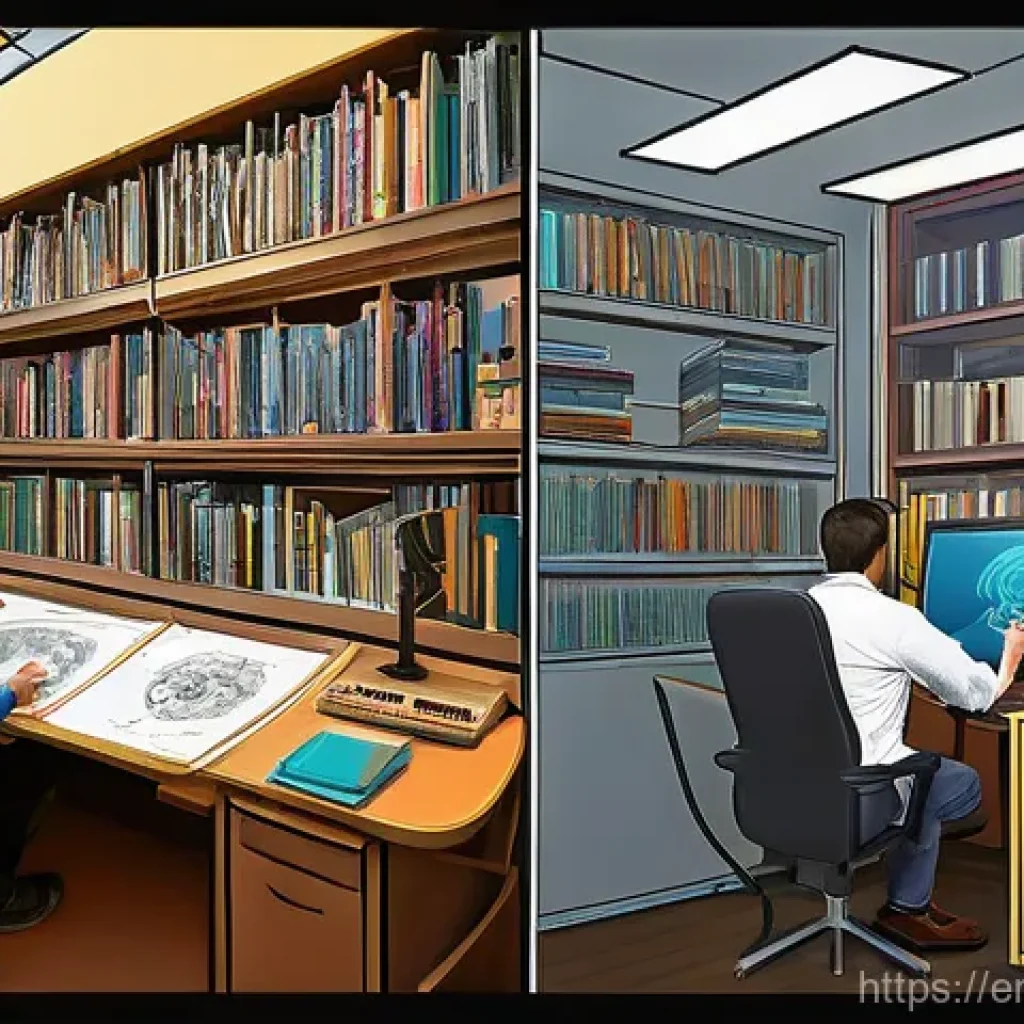
Oh, I remember the days when I’d marvel at old Disney cartoons, completely unaware of the painstaking process behind each frame. The sheer dedication involved in cel animation, where every single drawing was inked and painted onto transparent sheets before being layered over painted backgrounds, was just incredible. It’s hard to imagine, isn’t it? But as groundbreaking as it was, it was also incredibly time-consuming and expensive. I mean, think about the number of artists needed, the mountains of cels, the meticulous hand-painting – it was a true labor of love, but also a logistical nightmare for large-scale productions. The advent of digital tools really changed the game, almost overnight. Suddenly, that physical labor was replaced by pixels and layers in a digital environment. For someone who loves watching animation as much as I do, it felt like the industry finally found a way to breathe easier, allowing more stories to be told without the monumental budget and time constraints of the past. It truly opened up a world of possibilities that classic methods just couldn’t deliver on a consistent basis, and you can see the results in the sheer volume and quality of animation we enjoy today.
Why the Switch? Efficiency Meets Creativity
Honestly, the move to digital wasn’t just about cutting costs or speeding things up, though those were definite perks. For me, the real magic happened when animators realized they could be even more creative with these new tools. Think about it: no more worrying about running out of paint, no more fear of messing up a cel and having to start over. Digital platforms offer an unparalleled freedom to experiment, undo, and refine. I’ve heard stories from animators about how much more fluid their process became, allowing them to try out different timing or expressions without the massive overhead. This efficiency directly translates into more creative bandwidth. Artists can spend less time on repetitive tasks and more time on the nuances of character performance, the emotional beats of a scene, or the overall visual storytelling. It’s like upgrading from a manual typewriter to a powerful word processor – the core skill of writing is still there, but the tool lets you express it with so much more flexibility and polish. This shift has allowed for a level of detail and fluidity in 2D animation that simply wasn’t practical before, letting animators truly focus on the artistry.
Crafting Characters: The Art of Digital Puppetry
Rigging: The Skeleton Behind the Smile
When you watch a character on screen, moving so effortlessly, it’s easy to forget that beneath all that charm and personality lies a complex digital skeleton. This is what animators call “rigging,” and it’s truly the unsung hero of modern 2D animation. Imagine trying to move a puppet where every single joint and limb had to be drawn frame by frame – sounds exhausting, right? Rigging creates a digital armature, a set of bones and controls, that allows animators to manipulate a character’s body parts with incredible precision and speed. It’s a bit like giving a static drawing the ability to become a versatile actor. I’ve often thought about how much skill goes into creating these rigs, making sure they’re flexible enough for a wide range of actions, from a subtle eyebrow raise to a dramatic leap. A well-constructed rig is a dream for an animator; it means they can spend less time drawing and more time acting through the character, focusing on the performance rather than the mechanics. It’s what gives characters their signature bounce, their unique walk, and those expressive facial movements we all love.
The Magic of Tweening: Smooth Transitions
Have you ever noticed how seamlessly characters move from one pose to another? That smooth, fluid motion, without any jarring jumps? Much of that magic comes from a technique called “tweening,” and digital tools have supercharged its capabilities. Traditionally, in-betweening – drawing the frames between two key poses – was one of the most laborious parts of animation. It was a task often given to junior animators, requiring immense patience and precision. But with modern software, animators can define key poses, and the computer automatically generates the frames in between, or “tweens.” This isn’t just about saving time; it’s about achieving a consistent and perfectly timed flow that would be incredibly difficult to replicate by hand every single time. When I first saw how efficient this process had become, I was genuinely astonished. It means that animators can focus their creative energy on defining those crucial key poses that convey emotion and action, trusting the software to handle the tedious interpolation. It truly elevates the overall quality and polish of the animation, making characters feel more alive and their movements more believable, drawing you deeper into their world.
Bringing Worlds to Life: Seamless Scene Creation
Layering Depth: Backgrounds and Foreground Elements
One of the things that always captivates me in great 2D animation is the sense of depth in what is, fundamentally, a flat medium. It’s truly an illusion, a beautiful trick of the eye, and modern digital tools have made it incredibly powerful. Gone are the days of literally stacking hand-painted cels; now, artists can create intricate digital layers for backgrounds, middle-grounds, and foreground elements. This layering allows for dynamic camera movements and parallax scrolling effects that make the world feel vast and immersive. I’ve often paused a show to appreciate the sheer detail in a background, only to realize how many elements are working together to create that sense of space. It’s like building a miniature theater set, but everything is digital and infinitely adjustable. This flexibility means that scenes can be composed with greater artistic freedom, allowing for more complex visual storytelling without the logistical headaches of physical setups. It truly enhances the viewing experience, making you feel like you’re peering into a living, breathing environment rather than just looking at a flat image. The depth really draws you in!
Dynamic Camera Work in 2D
You know how in live-action films, the camera moves to follow the action, zoom in for an emotional close-up, or pan across a sweeping landscape? Modern 2D animation can achieve almost the same level of cinematic storytelling with its digital camera capabilities. This was a monumental shift from older methods where camera moves were often very limited and carefully planned due to the physical setup. Now, animators can simulate 3D camera movements within a 2D space, panning, zooming, and even rotating with incredible fluidity. I find it fascinating how a simple digital “camera” can make a scene feel so much more dramatic or intimate. Imagine a character running, and the camera tracks alongside them, blurring the background to emphasize their speed. Or a slow zoom into a character’s eyes to highlight a moment of realization. These dynamic camera techniques are not just visually appealing; they are powerful narrative tools that enhance emotion and guide the viewer’s attention. It’s a testament to how digital advancements have allowed 2D animation to embrace cinematic language, making stories more engaging and visually rich than ever before, much to my delight as a viewer.
Efficiency and Flow: The Animator’s Modern Toolkit
Software Powerhouses: Toon Boom Harmony & Adobe Animate
If you’re curious about what actually powers these animated wonders, look no further than industry-standard software like Toon Boom Harmony and Adobe Animate. These aren’t just drawing programs; they’re entire digital studios packed into a single application. I’ve personally experimented with some of these tools, and while I’m certainly no professional animator, even I can appreciate the robust features they offer. Toon Boom Harmony, for example, is a beast, known for its comprehensive rigging capabilities and powerful bitmap and vector drawing tools, making it a favorite for many high-end productions. Adobe Animate, on the other hand, often appeals to those looking for a more accessible entry point, especially with its seamless integration into the wider Adobe Creative Suite, which is incredibly handy if you’re already familiar with Photoshop or Illustrator. The learning curve can be steep for any professional-grade software, but the investment pays off in the sheer versatility and efficiency these programs bring to the animation pipeline. They allow artists to tackle everything from character design and rigging to scene layout, animation, and even special effects, all within a unified environment. It’s truly incredible to see what skilled hands can create with these digital marvels, pushing the boundaries of what 2D animation can achieve.
Collaboration in the Cloud
One of the often-overlooked but hugely impactful benefits of modern digital animation is how it has revolutionized collaboration. Gone are the days of physical cels needing to be moved between departments or artists being geographically limited to a single studio. Today, teams can work together from literally anywhere in the world, thanks to cloud-based project management and asset sharing. I’ve heard firsthand accounts from animators about how much smoother projects run when everyone can access and contribute to the same files in real-time, receiving instant feedback. This global connectivity means studios can tap into a wider pool of talent, bringing together the best animators, background artists, and character designers, regardless of their location. It also means production schedules can be more agile, adapting to changes and feedback much faster. For a large project with hundreds of moving parts, this kind of streamlined workflow is absolutely essential. It’s not just about technology; it’s about fostering a more inclusive and efficient creative environment, allowing diverse talents to come together and weave their magic collectively. It’s a testament to how far we’ve come.
| Feature | Traditional 2D Animation | Modern Digital 2D Animation |
|---|---|---|
| Tools Used | Pencils, paper, ink, paint, cels, lightboxes, cameras | Computers, graphics tablets, software (e.g., Toon Boom Harmony, Adobe Animate) |
| Character Movement | Each frame drawn manually; in-betweening by hand | Rigging for joint movement; automatic tweening between key poses |
| Scene Construction | Layering physical cels over painted backgrounds | Digital layers for backgrounds, foregrounds, and characters; parallax effects |
| Efficiency | Highly labor-intensive, time-consuming, prone to physical errors | Faster production, easier revisions, streamlined workflow |
| Collaboration | Physical exchange of assets, limited remote work | Cloud-based sharing, real-time collaboration, global talent pool |
| Cost | High material costs, large studio space, many artists | Reduced material costs, flexible workspaces, potentially fewer artists for certain tasks |
The Secret Sauce: Storyboarding to Screen
Pre-Production Precision
You know, before a single animated frame is ever created, there’s a massive amount of brainpower poured into the “pre-production” phase. This is where the true heart of the story takes shape, long before any digital wizardry comes into play. It starts with storyboarding, which is essentially drawing out the entire film or episode panel by panel, almost like a giant comic book. I’ve always found this stage fascinating because it’s where the narrative pacing, camera angles, and character emotions are first blocked out. It’s a crucial step that ensures everyone on the team, from the director to the animators, is on the same page. Then comes character design, where artists meticulously craft every nuance of a character’s appearance and personality. This is often followed by voice acting recordings, which help animators time their work to the spoken lines. This whole process, this meticulous planning, is what truly lays the groundwork for a successful animation. Without this rigorous pre-production, even the most advanced software wouldn’t be able to turn a vague idea into a coherent and emotionally resonant story. It’s the unsung hero, in my opinion, making sure that when the animation process kicks off, everyone knows exactly what magic they’re trying to create.
Post-Production Polish
Once all the animation is done and the characters are moving, you might think the job is finished, right? Not at all! The “post-production” phase is where everything truly comes together, getting that final sheen and sparkle that makes it ready for your screens. This stage involves things like compositing, where all those separate digital layers—the characters, backgrounds, special effects, and lighting—are merged into a single, cohesive image. It’s a bit like a master chef combining all the ingredients to perfect a dish. Then there’s sound design, which adds all the immersive effects, from the subtle rustle of leaves to dramatic explosions, and of course, the musical score that sets the mood and amplifies emotions. Colour correction and grading also happen here, ensuring a consistent visual tone throughout the entire piece. I’ve always been amazed by how much these final touches elevate the viewing experience; sometimes, it’s the subtle sound of a character’s footsteps or the warmth of the lighting that truly pulls you into their world. It’s a meticulous process, where every tiny detail is refined to ensure the animation isn’t just visually appealing, but also emotionally impactful and truly unforgettable. It’s the final flourish that turns a good piece of animation into a great one.
Future Horizons: AI’s Role in Animation’s Next Chapter
Automating the Tedious: AI for In-Betweening and Coloring
When we talk about the future of animation, it’s impossible not to bring up Artificial Intelligence. And before you imagine robots taking over the creative process, let me tell you my perspective: AI is less about replacing artists and more about empowering them by tackling the mundane, repetitive tasks that frankly, nobody enjoys. Take in-betweening, for example – those thousands of frames that smoothly transition between key poses. It’s essential work, but incredibly time-consuming. Imagine an AI that could accurately generate these in-between frames, saving animators countless hours. Similarly, coloring – meticulously filling in every single character and object across thousands of frames – is ripe for AI assistance. I’ve seen some early demos, and the potential is genuinely mind-blowing. It means artists can hand over the grunt work to a machine and redirect their precious creative energy to what truly matters: designing, storytelling, and perfecting those emotional performances. It’s like having a super-efficient assistant that handles all the administrative tasks, freeing you up to focus on the high-level strategic work. This isn’t science fiction anymore; it’s already starting to become a reality, and I’m genuinely excited to see how it transforms production pipelines, making animation more accessible and efficient than ever.
Liberating Creativity: How AI Empowers Artists
For me, the most exciting aspect of AI in animation isn’t just about speed, it’s about the liberation of creativity. When artists are freed from the monotonous tasks I just mentioned, they gain an incredible amount of time and mental space to experiment, innovate, and push boundaries. Think about it: an animator who no longer has to spend days or weeks on in-betweening can instead dedicate that time to exploring more complex character movements, crafting richer visual effects, or even developing entirely new animation styles. It’s about taking the administrative burden off their shoulders so they can truly focus on the artistic challenges and opportunities. I envision a future where animators can rapidly prototype ideas, generating different movement styles or visual treatments with AI assistance, and then pick the most compelling options to refine. This iterative process, supercharged by AI, could lead to incredibly innovative and diverse animated content that we can only dream of today. It’s a tool, not a replacement, a powerful extension of the artist’s hand that allows them to tell stories with unprecedented depth and visual flair. I truly believe AI will usher in a golden age of animation, where the human imagination is the only limit.
Wrapping Things Up
Well, friends, what a journey it’s been exploring the incredible evolution of 2D animation! From the intricate, hand-drawn cels of yesteryear to the dazzling, digitally-crafted worlds we enjoy today, it’s clear that creativity, when paired with innovation, knows no bounds. I’ve always been captivated by the magic behind the screen, and seeing how digital tools have democratized the process, empowering more artists to tell their stories with unparalleled fluidity and detail, truly warms my heart. This isn’t just about faster production; it’s about a renaissance of visual storytelling, making animation more vibrant and accessible than ever before. What an exciting time to be an animation enthusiast, wouldn’t you agree?
Useful Tips for Aspiring Animators & Enthusiasts
1. Dive into the Fundamentals: Before you get lost in fancy software, truly grasp the 12 principles of animation. Things like squash and stretch, anticipation, and timing are the soul of movement, and they apply whether you’re drawing on paper or pixels. Trust me, understanding these basics will elevate your work tremendously, and you’ll find countless free resources and tutorials online to get you started.
2. Practice Your Drawing Skills Regularly: Even in a digital world, a strong foundation in drawing is paramount. Spend time sketching, do life drawing, and practice gesture drawing to really understand anatomy and motion. This isn’t just about making things look good; it’s about conveying emotion and action, and that comes from a deep understanding of form.
3. Experiment with Software, Find Your Fit: There are so many amazing digital tools out there, from industry powerhouses like Toon Boom Harmony and Adobe Animate to more beginner-friendly options. Don’t feel pressured to master them all at once! Try out a few, see which interface clicks with your style, and then dedicate time to truly learning its functionalities. Many offer free trials, so you can test the waters without commitment.
4. Immerse Yourself in Animation Communities and Feedback: One of the best things about the digital age is how connected we all are. Join online forums, social media groups, and local meetups. Share your work, ask for constructive criticism, and learn from others. I’ve found that honest feedback, even when tough, is an invaluable part of growth, and seeing how others approach challenges can spark new ideas.
5. Build a Portfolio and Never Stop Learning: Your portfolio is your animation resume! Showcase your best work, highlight your unique style, and don’t be afraid to include personal projects. The animation world is constantly evolving, so stay curious, keep an eye on industry trends, and continuously update your skills through workshops or online courses. It’s a journey, not a destination, and every piece of work makes you better.
Key Takeaways
Reflecting on our chat, it’s crystal clear that digital technology hasn’t just tweaked 2D animation; it’s absolutely revolutionized it. We’ve seen a remarkable shift from traditional, labor-intensive methods to incredibly efficient digital workflows that genuinely foster more creative freedom. Think about it: the ability to seamlessly rig characters, automate tedious in-betweening, and collaborate globally across different time zones has fundamentally changed how animated stories are brought to life. This isn’t just about saving money or time, though those are certainly huge benefits; it’s about empowering artists to push the boundaries of their imagination further than ever before. The tools like Toon Boom Harmony and Adobe Animate have become extensions of the artist’s mind, allowing for a level of polish, detail, and dynamic camera work that makes every frame a masterpiece. For us viewers, it means richer, more immersive, and emotionally resonant experiences on screen, and for creators, it signifies an exhilarating era of unparalleled artistic possibility. The future, especially with the promising integration of AI to handle the mundane, truly looks brighter and more exciting for 2D animation.
Frequently Asked Questions (FAQ) 📖
Q: How has 2D animation really evolved from the classic hand-drawn era to what we see today in shows like Bread Barbershop?
A: Oh, it’s genuinely mind-blowing to witness just how far 2D animation has come! When I was first falling in love with cartoons, everything was painstakingly hand-drawn, frame by frame.
It was pure magic, but incredibly labor-intensive. Today, while the artistry remains at its core, the process has undergone a complete digital transformation.
Think of it less as replacing the artists and more like giving them superpowers! We’ve moved from stacks of paper and lightboxes to powerful digital tablets and sophisticated software.
This shift means animators can achieve incredible fluidity, consistency, and visual depth with far greater efficiency. For a show like Bread Barbershop, which thrives on its intricate character designs and expressive movements, this digital pipeline is a game-changer.
It allows the creators to maintain that delightful charm and consistent quality across countless episodes, something that would have been a Herculean task in the purely traditional age.
From my personal observation, this evolution has freed up artists from a lot of the tedious, repetitive tasks, letting them pour more creative energy into storytelling, character acting, and bringing those whimsical dessert personalities truly to life.
Q: What are some of the go-to tools and software that modern 2D animation studios are using to create such vibrant and fluid visuals?
A: If you peek into any modern 2D animation studio today, you’ll find a powerhouse of digital tools that have truly revolutionized the craft. From what I’ve seen and from chatting with animators, two of the absolute titans in the industry are Toon Boom Harmony and Adobe Animate.
Toon Boom Harmony, in particular, is a beast! It’s an all-in-one production software that handles everything from initial drawing and rigging to animation, special effects, and final compositing.
It’s renowned for its robust rigging capabilities, allowing animators to create incredibly detailed character puppets that can be manipulated with fantastic fluidity, making those complex movements in shows like Bread Barbershop look so smooth.
Then there’s Adobe Animate, which many experienced artists, myself included, have found to be incredibly intuitive, especially for those who appreciate its strong ties to the Adobe Creative Suite.
While it might not have the same deep rigging features as Harmony, it’s fantastic for frame-by-frame animation, motion graphics, and even interactive content.
These tools aren’t just about drawing; they’re about layers, timelines, effects, and incredibly precise control, empowering animators to create truly captivating worlds that sparkle with life.
Q: With all this talk about
A: I, is it truly set to revolutionize 2D animation, or should artists be worried about their jobs? A3: That’s a question I hear a lot, and it’s a completely valid one!
The idea of AI in creative fields can sound a bit daunting, right? From my vantage point, and after observing the industry trends, I truly believe AI is poised to revolutionize 2D animation, but not necessarily in the job-replacing way many might fear.
Instead, I see AI as an incredibly powerful assistant. Imagine the most tedious parts of animation: the in-betweening, where you create the frames between key poses, or the coloring of thousands of individual frames.
These are incredibly time-consuming, repetitive tasks that AI is already showing promise in automating. This isn’t about AI taking over the creative vision; it’s about freeing up animators to focus on the truly imaginative, storytelling-driven aspects of their work – the character acting, the emotional nuance, the inventive world-building.
I’ve personally experimented with some early AI tools, and while they’re still developing, the potential is clear: they could become invaluable co-pilots, allowing artists to accelerate their workflows, experiment more freely, and push creative boundaries further than ever before.
It’s about empowering human creativity, not diminishing it!