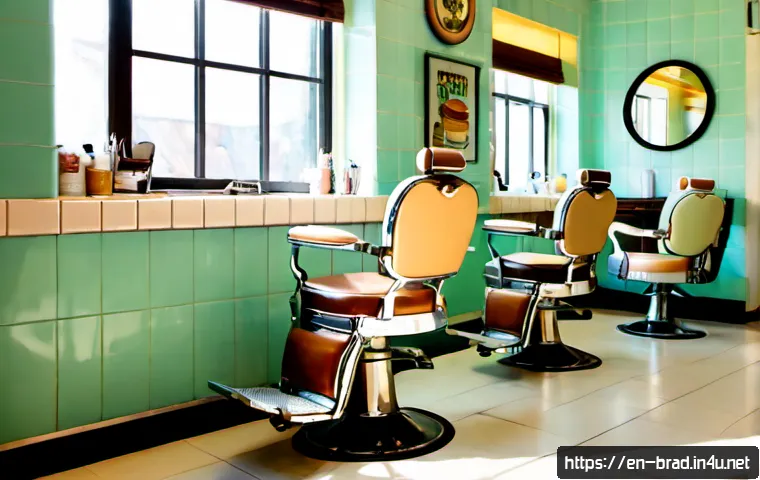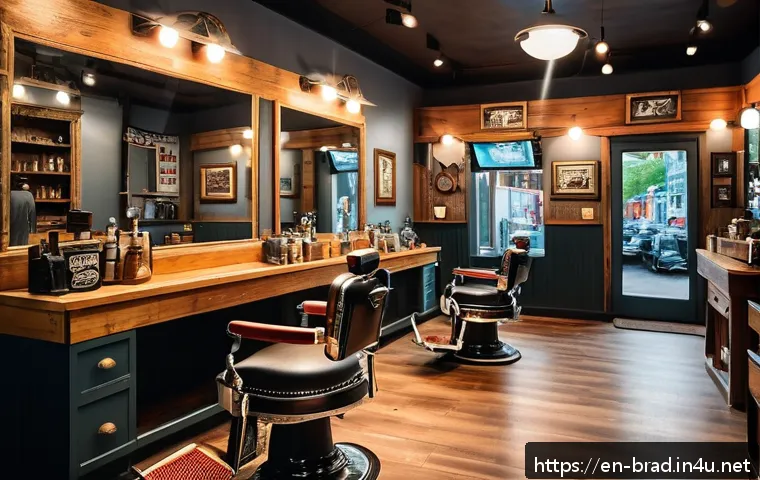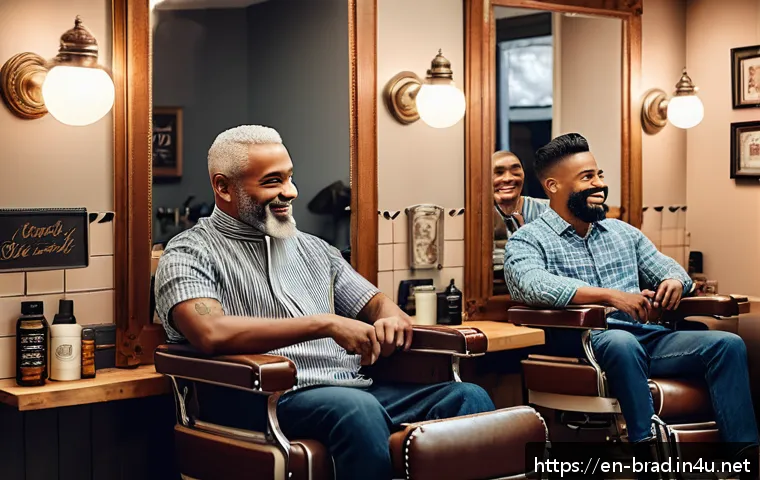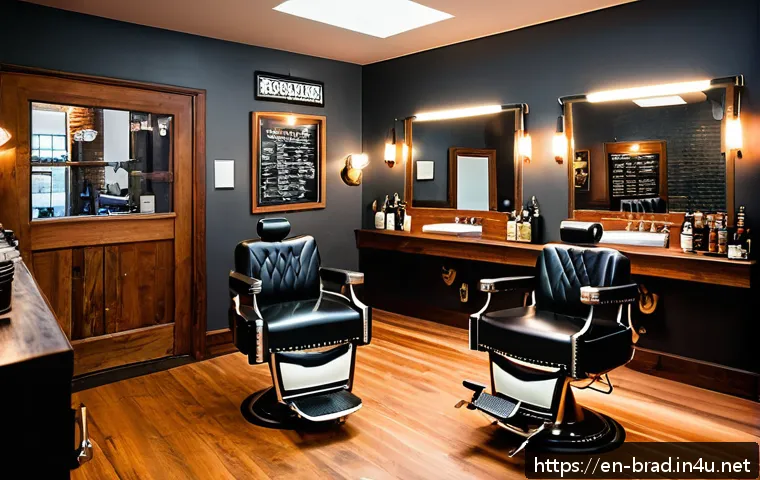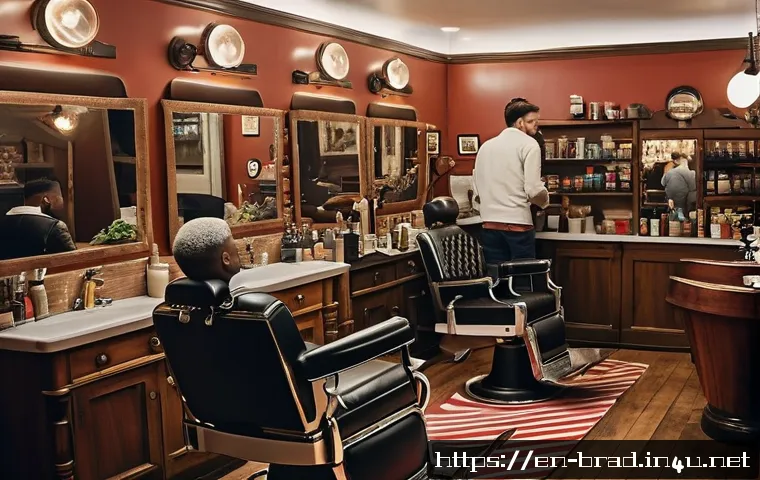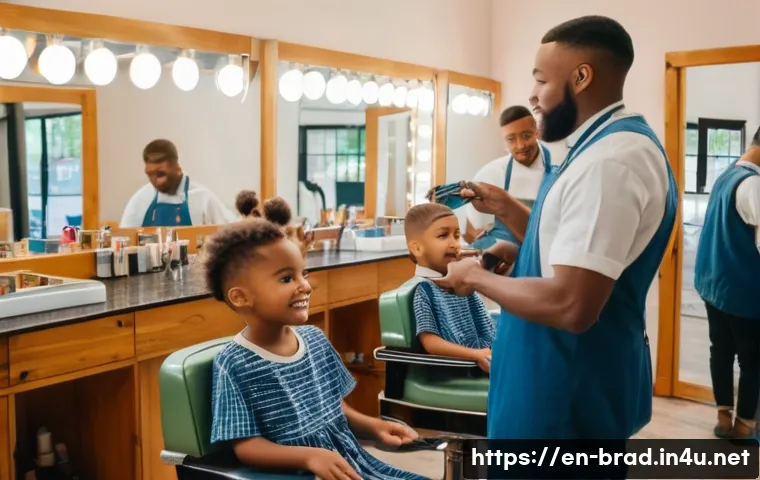
Watching kids in a barbershop might seem like a simple everyday scene, but it actually offers fascinating insights into their behavioral development. The way children react to new environments, interact with strangers, and manage feelings like nervousness or excitement can reveal key stages in their growth.
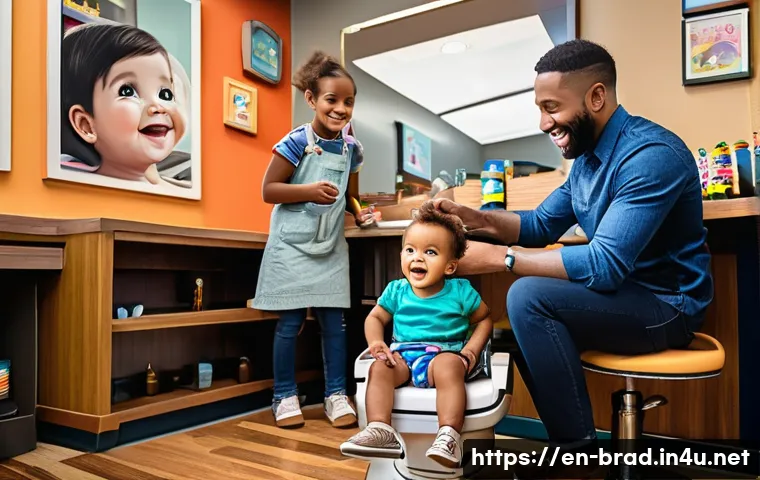
Barbershops, with their unique blend of social interaction and sensory experiences, become unexpected classrooms for understanding kids’ emotional and social skills.
From learning patience during a haircut to expressing themselves through play or conversation, these moments are more meaningful than they appear. Let’s dive deeper into how these everyday experiences shape children’s behavior and development.
I’ll guide you through the details ahead!
How New Surroundings Spark Social Awareness in Children
First Impressions: Navigating the Unknown
When kids step into a barbershop for the first time, their reactions range from curiosity to caution. This moment is more than just a haircut—it’s a child’s initial test of how they handle unfamiliar environments.
I’ve noticed that younger children often cling to a parent’s hand or freeze for a moment, signaling their need for reassurance. As they observe the bustling activity around them—the buzzing clippers, the chatter of strangers, the bright mirrors—children begin to process sensory information that informs their understanding of social spaces.
This heightened awareness is a fundamental step in developing social confidence and adaptability.
Reading Social Cues in a Busy Setting
Barbershops are lively social hubs where children witness various adult interactions, from casual small talk to playful banter. This environment serves as a live classroom for kids to pick up on social cues such as tone of voice, body language, and facial expressions.
I’ve seen kids mimicking smiles or responding to a friendly greeting, which reflects their growing ability to interpret emotions and respond appropriately.
These experiences help children grasp the nuances of social communication, which are critical for building relationships outside the home.
Balancing Excitement and Anxiety
It’s common for children to feel a mix of excitement and nervousness during their visit to the barbershop. This emotional balancing act offers insight into their coping mechanisms.
From my observations, kids who have been exposed to varied social settings tend to manage this emotional cocktail more smoothly, showing fewer signs of distress.
Conversely, those less familiar with such environments might display restlessness or clinginess. These behavioral cues provide a window into their emotional regulation skills, which are essential for healthy social development.
Patience and Self-Control: Lessons from the Chair
Understanding the Waiting Game
Sitting still in a barber’s chair can be a real challenge for young children. This experience teaches patience in a way few other settings can. Through my own experience with my nephew, I noticed that explaining what’s happening step-by-step helps children stay calm and engaged.
They begin to learn that waiting is part of the process and that the reward—a neat haircut—is worth the temporary discomfort. This lesson in delayed gratification is a vital building block for self-control and emotional maturity.
Managing Physical Boundaries and Cooperation
The physical closeness required during a haircut—someone working near their face and head—demands a certain level of trust and cooperation from kids. I’ve seen children initially resist, but with gentle encouragement and clear communication from the barber, they often relax and even enjoy the experience.
This interaction helps kids understand personal boundaries and the importance of cooperating with others, skills that extend well beyond the barbershop.
Expressing Preferences and Building Communication Skills
Barbers often ask children about their preferred hairstyle or comfort level, which encourages kids to voice their opinions and practice decision-making.
In my visits, I’ve observed that this opportunity to express preferences empowers children and boosts their confidence. It also enhances their verbal skills, as they learn to articulate likes, dislikes, and feelings in a constructive way.
Building Emotional Resilience Through New Experiences
Facing Fear and Overcoming Discomfort
Many children feel apprehensive about the buzzing sound of clippers or the unfamiliar sensation of scissors near their scalp. Experiencing and overcoming these fears in a supportive setting like a barbershop builds emotional resilience.
I remember a shy cousin who dreaded his first haircut but left feeling proud and brave. These small victories contribute to a child’s overall ability to handle stress and uncertainty in life.
Learning to Trust Strangers in Safe Spaces
The barbershop introduces children to positive interactions with strangers, which is crucial for social development. Watching a barber skillfully soothe a nervous child builds a model of trustworthy behavior in the child’s mind.
This trust helps children expand their social circles and eases anxieties about meeting new people, an important social milestone.
Celebrating Small Achievements
Completing a haircut successfully—especially when a child has been hesitant—can be a huge boost to their self-esteem. I’ve noticed how kids beam with pride when their haircut is done, often running to show parents or siblings.
These moments of accomplishment reinforce a child’s belief in their own capabilities and encourage them to embrace future challenges.
Interactive Play and Communication During the Cut
Turning Waiting Time Into Playtime
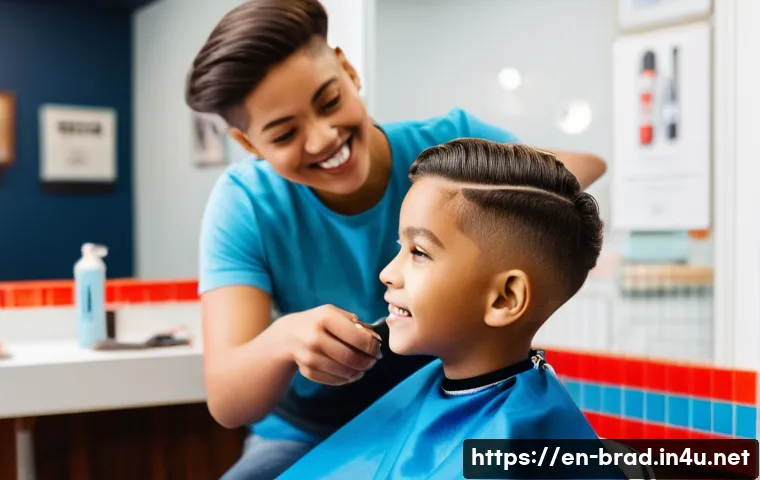
Barbershops often provide toys, magazines, or even mirrors for kids to explore while waiting. This setting offers a chance for imaginative play and distraction, helping children develop creativity and patience.
I’ve seen how a simple toy car or a mirror game can transform a restless child into an engaged participant, making the overall experience more pleasant for everyone involved.
Building Vocabulary Through Conversation
Barbers frequently chat with children about school, favorite activities, or pets, creating a casual yet meaningful dialogue. These conversations help kids practice language skills and express themselves more clearly.
From my own experience, children who engage in these back-and-forth chats develop stronger verbal abilities and become more comfortable in social settings.
Encouraging Emotional Expression
Sometimes kids use their time in the chair to share feelings or stories, whether excited or anxious. This opportunity to vocalize emotions in a safe environment supports emotional intelligence.
Barbers who listen attentively and respond kindly help children feel heard and validated, an essential aspect of healthy emotional growth.
How Routine Visits Shape Long-Term Behavioral Patterns
Establishing Predictable Social Rituals
Regular trips to the barbershop create a predictable routine that children can anticipate and prepare for. This consistency helps reduce anxiety and builds a sense of security.
I’ve noticed that kids who visit the same barber regularly often develop a trusting relationship, which reinforces positive social behaviors and comfort in public settings.
Reinforcing Hygiene and Self-Care Habits
Beyond the haircut itself, these visits subtly teach kids about personal grooming and hygiene. Observing the process and participating in it encourages responsibility for self-care.
My experience with my own children showed that they began to take pride in their appearance and understand the importance of cleanliness as they got older.
Creating Opportunities for Social Integration
Barbershops often serve as community gathering spots where children meet peers and adults outside their immediate family. This exposure promotes social integration and helps kids develop a broader sense of belonging.
From casual greetings to shared smiles, these interactions contribute to a child’s social network and emotional well-being.
Comparing Behavioral Responses Across Age Groups
| Age Group | Typical Behavioral Responses | Developmental Insights |
|---|---|---|
| Infants (0-2 years) | Clinginess, crying, limited eye contact | Attachment formation, sensory processing, early trust building |
| Toddlers (2-4 years) | Curiosity mixed with fear, short attention span, mimicry | Exploration of social cues, emotional regulation beginnings |
| Preschoolers (4-6 years) | Engagement in conversation, patience struggles, expressing preferences | Language development, self-control, social confidence |
| Early School Age (6-8 years) | Cooperation with barber, longer attention span, emotional resilience | Complex social interactions, emotional intelligence, routine appreciation |
Conclusion
New environments like barbershops play a vital role in shaping children’s social skills and emotional growth. These experiences encourage them to navigate unfamiliar settings, build patience, and express themselves confidently. Over time, routine visits foster trust, resilience, and a sense of belonging that supports their overall development. Understanding these subtle lessons helps caregivers appreciate the value of everyday social encounters for children.
Useful Information to Know
1. Children learn social cues naturally by observing interactions in community spaces like barbershops, which act as informal social classrooms.
2. Emotional regulation develops as kids balance excitement and anxiety during new experiences, helping them cope better in various settings.
3. Patience and cooperation are cultivated through the haircut process, teaching delayed gratification and respect for personal boundaries.
4. Regular visits create predictable routines that reduce anxiety and encourage self-care habits important for long-term well-being.
5. Engaging children in conversation during visits enhances vocabulary and communication skills, boosting their confidence in social environments.
Key Takeaways
Introducing children to new social settings promotes emotional resilience and social awareness essential for healthy development. Patience, trust-building, and communication skills are strengthened through consistent, supportive experiences like barbershop visits. Caregivers should recognize these moments as valuable opportunities for nurturing social competence and self-confidence in children.
Frequently Asked Questions (FAQ) 📖
Q: Why do children often feel nervous or uneasy during a barbershop visit?
A: Many kids experience nervousness at the barbershop because it’s a new and unfamiliar environment filled with strange sounds, bright lights, and unfamiliar people.
The sensation of scissors or clippers near their head can also be unsettling. From my own experience watching kids, this nervousness is a natural reaction to change and novelty.
It’s an important moment where children learn to manage their emotions and build trust with adults outside their immediate family.
Q: How do barbershops help develop a child’s social skills?
A: Barbershops provide a unique social setting where kids interact with barbers, other customers, and sometimes other children. These interactions teach them important skills like patience, polite conversation, and reading social cues.
I’ve noticed that kids who regularly visit the same barber often become more comfortable chatting or even joking around, which boosts their confidence and helps them navigate social situations better.
Q: Can the experience of getting a haircut actually contribute to a child’s emotional growth?
A: Absolutely. Sitting still for a haircut requires patience and self-control, which are key emotional skills. Plus, kids often express themselves through conversation or play while waiting, which fosters communication and creativity.
From what I’ve seen, these small, everyday moments help children develop resilience and adaptability, learning to cope with minor discomfort or boredom in a positive way.